
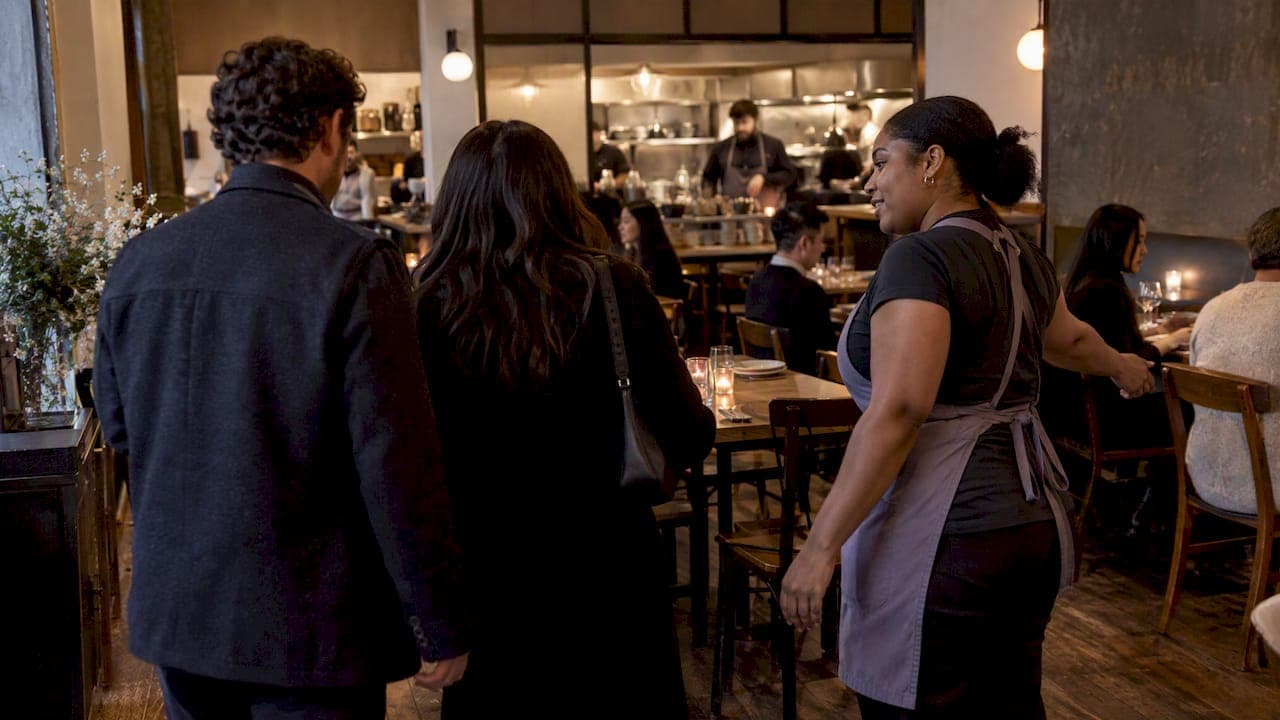
A reservation release rule says how long a restaurant holds your table before giving it away. Diners should cancel early or arrive on time. Restaurants should set and announce a clear hold window. You may also see news about New York's reservation-resale law, which targets paid resale of bookings and changes how third-party booking services work with restaurants.
TL;DR:
- Casual restaurants often release tables 10 to 15 minutes after the booking; call before that window ends, since an updated arrival time can preserve it.
- A deposit is charged at booking, while an absence fee follows a missed booking; state the fee and refund terms in booking confirmations.
- Strict cancellation rules can lower initial restaurant evaluations, but clear explanations soften the effect; a 2024 study linked cost awareness with booking and attendance.
- New York requires reservation services to have written restaurant agreements; diners should verify paid listings directly, and restaurants should review partner paperwork.
Table of Contents
- How long do restaurants hold a table before releasing it?
- What cancellation and no-show rules do restaurants use?
- How should diners behave to keep a reservation?
- What did New York's reservation-resale law change?
- What does research say about fair cancellation policies?
- What should a restaurant reservation policy checklist include?
- How can gyms automate reservation releases with technology?
- How do release practices compare across restaurants and gyms?
- How should you connect release policies to membership software like VO2WOD?
- Why clear release rules help both guests and operators
- Where VO2WOD fits in your reservation rules
- FAQ
- Sources
How long do restaurants hold a table before releasing it?
Most restaurants hold a reserved table for a short grace period, then release it to the next party. The exact window depends on the service style and how busy the room is.
- Casual dining: often 10 to 15 minutes past the booked time.
- Full-service restaurants: commonly allow a short grace period.
- Fine dining: sometimes longer, but usually paired with a confirmation step the day before or the day of.
Several operating factors push these windows up or down. Covers per night, table turnover, party size and booking cadence all matter. A 90-minute table that sits empty for 30 minutes can wipe out a turn, and a six-top is harder to refill than a two-top.
Confirmations and waitlists change the math. A guest who confirms by text and sends an updated arrival time can usually keep a table longer than one who goes silent. When a waitlist is long, the host has a good reason to release on the dot. When the room is quiet, flexibility costs little.
What cancellation and no-show rules do restaurants use?
Restaurants build their policies from a handful of parts. Here is what you will see most often:
- An advance-cancel window. Guests cancel free of charge up to a set time before the reservation.
- A deposit. Money collected at booking, usually credited toward the final bill.
- A card on file. No charge at booking, but the restaurant can bill the card if rules are broken.
- A no-show or late-cancel fee. Charged when a guest skips the reservation or cancels inside the window.
- A refund rule. Spells out when deposits are returned and when they are kept.
The practical difference between a deposit and a no-show fee is timing and friction. A deposit is collected up front, so guests feel the commitment immediately. A no-show fee is collected only after something goes wrong, which feels lighter at booking but can spark disputes later.
Fees usually take several forms: a flat amount per seat, a flat amount per reservation, or a percentage of a typical check.
Enforcement works best when it is automated. Confirmation messages remind guests of the rule, staff follow a short script when charging a fee, and refunds are handled the same way every time. If you run a studio or gym and want to see how automated enforcement looks in practice, our guide to automation rules for a no-show fee policy walks through it.

Pro Tip: Put the fee amount in the booking confirmation itself, not only on the website. Guests dispute charges they never saw.
How should diners behave to keep a reservation?
You can avoid almost every problem with a little communication. Keep these habits in mind:
- Arrive within the grace window. Aim to be seated at your booked time, and treat 10 minutes late as the outer edge unless you have called.
- Call as soon as you know you are late. A quick phone call or text before the hold window ends often saves the table.
- Cancel early and say why. Include your name, the date, the time and the party size. A short reason can help a manager decide whether to waive a fee.
- Use the restaurant's own confirmation link or phone line. Changes made there reach the host stand. Changes made on a third-party listing sometimes do not.
- Be skeptical of resale listings. If you see a paid listing for a hard-to-get table, check with the restaurant directly before paying anyone.
For a plain-English explanation of what a late cancellation policy means for you as a guest, see our piece on what a late cancellation policy means.
What did New York's reservation-resale law change?
High-demand tables have spawned a black market where bookings sell for steep prices, and reporting on state efforts shows several states moving to stop paid resale of reservations. New York's law takes the issue head on: third-party reservation services need a written agreement with a restaurant before they arrange bookings for it.
Lawmakers are targeting unauthorized resale of restaurant reservations. Stateline's reporting describes a market where high-demand bookings change hands for a price, which is the behavior these laws aim to curb.
Here is what that means in practice:
- For diners: If you find a paid listing for a table, confirm with the restaurant that the service is authorized. A seller with no agreement on file is a red flag.
- For restaurants: Review every third-party relationship and make sure the paperwork exists.
- For restaurants, again: Update confirmation messages so they say reservations are not transferable for payment, and brief staff on how to respond when a guest arrives under a resold booking.
Check the text of the law and your local rules before changing policy. This article explains the principle, not legal advice.
What does research say about fair cancellation policies?
Strictness has a price. Research on cancellation policies across hotels, airlines and restaurants indicates that strict policies can hurt initial restaurant evaluations, and that perceived fairness and policy awareness soften the damage.
A 2024 experimental study, Tackling no-shows in fine dining, adds that making guests aware of what no-shows cost a restaurant can increase their willingness to book and to honor the booking. Here is how to translate that into policy:
- Pick a deterrent that feels fair. A fee tied to a clear, reasonable window reads as responsible. A surprise charge reads as a trap.
- Explain the reason. One sentence about empty seats and staff scheduling does real work.
- Invest in reminders. Pair a short strict window with a steady reminder cadence.
- Use plain deposit language. Say what is charged, when, and when it comes back.
- Give staff a script. Consistent enforcement is part of fairness.
Reminder messaging works outside restaurants too. This 90-day playbook on reducing no-shows shows how appointment-based businesses use it.
Pro Tip: Test the tone of your message, not just the rule. The same fee can read as fair or punitive depending on the wording.
What should a restaurant reservation policy checklist include?
Use this list as a starting point, then adapt it to your room:
- Set and publish your hold time. Put it on the booking page and in every confirmation.
- Choose a deposit or a card on file. Match it to how hard your tables are to fill.
- Schedule reminders. Send reminders at booking and again before the reservation.
- Define fee amounts and the refund rule. Write down exactly when money comes back.
- Log every no-show the same way. You cannot judge a policy without clean data.
Sample wording you can adapt:
- "We hold tables for a short grace period after your reservation time. After that, your table may be released."
- "Cancellations made close to the reservation may incur a fee per guest. Please cancel early so we can offer the table to another party."
- "Reservations cannot be sold or transferred for payment."
For the floor, train hosts on a short script for releasing a table and for handling a dispute politely. Afterward, compare no-show rates before and after the change. Our copyable cancellation policies and automation ideas show how this wording translates to class-based businesses.
Pro Tip: Change one thing at a time. If you alter the window, the fee and the reminders together, you will not know what worked.
How can gyms automate reservation releases with technology?
Gyms face the same problem as restaurants: a reserved spot that nobody uses is a spot someone else could have had. Technology fixes it by taking the human judgment out of the routine cases.
Good fitness software handles several jobs on its own:
- Spot release at a set time. If a member has not checked in by a cutoff, the system frees the spot for the waitlist.
- Waitlist promotion. The next person in line is notified and booked automatically.
- Late-cancel and no-show fees. Charges apply the same way every time, with no awkward conversations at the front desk.
- Reminders and confirmations. Messages go out ahead of class so members can cancel in time.
- Check-in tracking. QR or wristband check-in gives a clean record of who showed up.
Automation also protects coaches. When a class has a fixed capacity, an empty spot costs more than a missed sale, because it also dampens the energy of the room. Setting the rules once and letting software apply them keeps staff out of enforcement and keeps members treated equally.
The same logic applies to capacity planning. Knowing how many spots a class needs to fill to cover its costs tells you how tight the release window should be. Our guide to break-even class capacity planning explains how to work that out.
How do release practices compare across restaurants and gyms?
The two industries solve the same problem with different tools. A restaurant sells a table for a single evening to a party that may cancel by phone. A gym sells a spot in a class to a member who has already paid a recurring fee.
| Practice | Restaurants | Functional fitness gyms |
|---|---|---|
| Hold window | Grace period after booked time | Cutoff before or at class start |
| Cancellation | Window set by the venue | Window set by the gym |
| Penalty tool | Deposit, card on file, no-show fee | Late-cancel fee, credit loss, booking limits |
| Replacement | Waitlist, walk-ins | Automatic waitlist promotion |
| Customer relationship | Often a one-time guest | Ongoing member |
The biggest difference is the relationship. A restaurant may never see a guest again, so a fee is a one-time cost of doing business. A gym is trying to keep members for years, which makes fairness and tone matter even more. A fee that feels harsh can end a membership.
What carries over is the principle from the research above: a rule that feels fair and is clearly communicated gets better compliance. Gyms can borrow the restaurant habit of confirming ahead of time, and restaurants can borrow the gym habit of automatic waitlist promotion.
How should you connect release policies to membership software like VO2WOD?
Writing a policy is the easy part. Making sure it runs the same way every day is where software matters. These practices help when you set up release rules in membership software such as VO2WOD:
- Start from a written policy. Decide the cancel window, the release cutoff and the fee before you touch a setting.
- Mirror the policy in the booking flow. Members should see the rule at the moment they reserve a spot, not after a charge.
- Link release rules to the waitlist. A released spot should flow straight to the next member, so nothing sits empty.
- Use check-in data. Check-in by QR or wristband tells you who actually attended, which keeps no-show records accurate.
- Set reminders for the right moment. Send them early enough that a member can still cancel without a fee.
- Review exceptions on a schedule. Decide ahead of time who can waive a fee and why.
- Measure before and after. Track no-show and late-cancel rates for a few weeks after any change.
Keep the tone of automated messages human. A short note explaining that open spots help the next member goes a long way toward keeping the rule feeling fair.
Why clear release rules help both guests and operators
I have watched the same tension play out in restaurants and gyms: operators want predictability, and guests want to feel treated fairly. Clear rules deliver both. Most people will accept a limit they understood in advance, and almost nobody forgives a fee they never saw coming. If you run a room, test one policy change, measure your no-show rate, and keep what works. Our team at VO2WOD publishes operating guides for gym owners on this blog.
— Marcus
Where VO2WOD fits in your reservation rules
If you run a functional fitness gym, we built VO2WOD to handle exactly this kind of routine work. Our platform covers class scheduling and reservations, check-in through QR or wristband, membership and recurring billing, and in-app messaging, so your release rules run from one system instead of several disconnected tools.
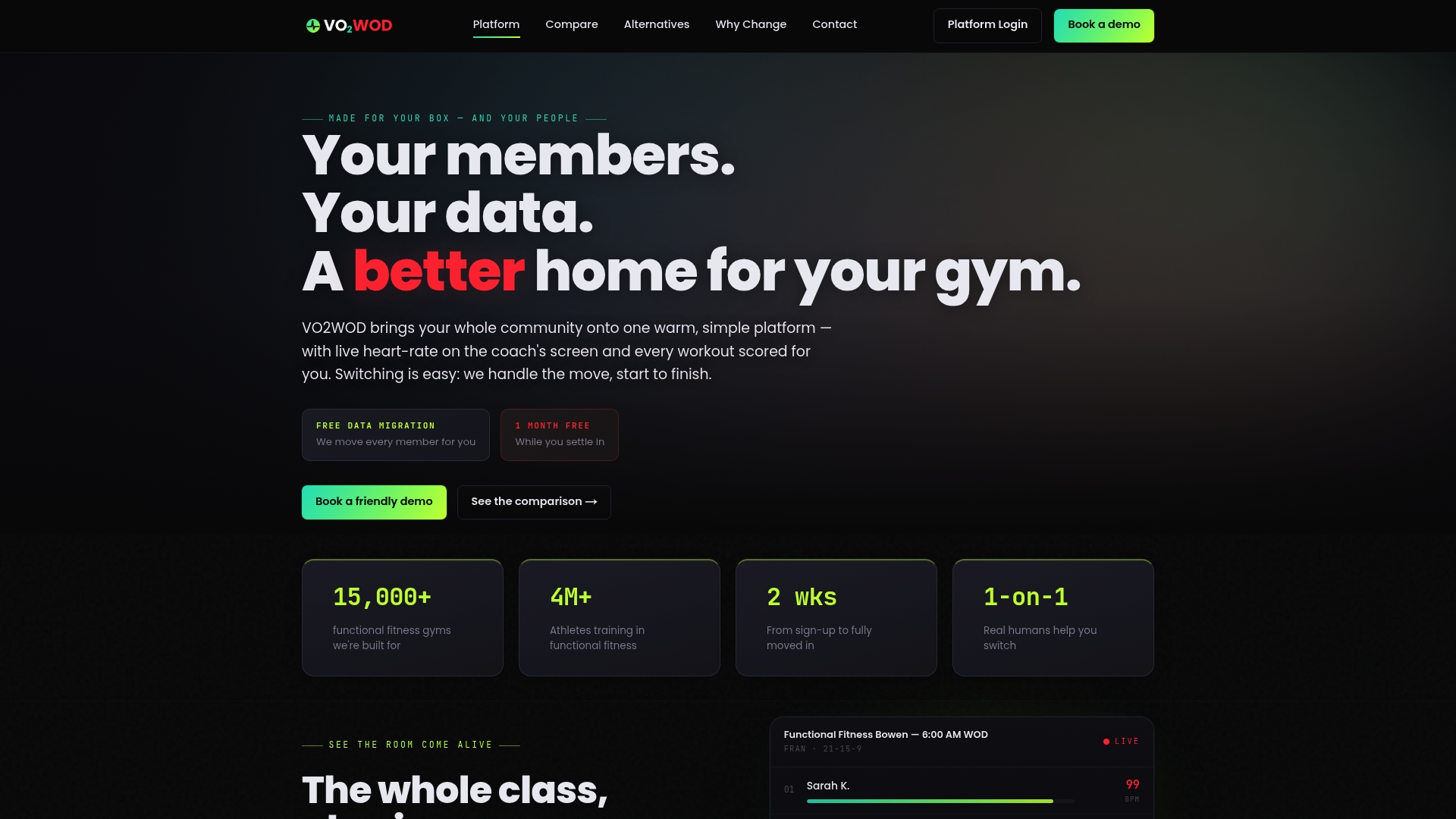
You also get live in-class heart rate monitoring and automatic workout scoring, which means the same software that fills your classes also shows you how members perform in them. Moving over is simple: we offer free data migration, one month of complimentary service, and a dedicated team to help you through the switch.
Want to see how it compares with the tools you use now? Look at why gym owners switch to VO2WOD, then start your free month and set your first release rule.
FAQ
How late can you be for a reservation?
Most restaurants hold a table for about 10 to 15 minutes at casual spots and up to 30 minutes at full-service places. Policies vary, so call as soon as you know you will be late. A quick call can keep your table.
What are the three types of reservation procedures?
Restaurants typically use a simple hold with no payment, a card on file that can be charged for no-shows, and a prepaid deposit. The more money collected up front, the stronger the commitment. Pick the one that fits how hard your tables are to refill.
How do you handle a reservation call?
Greet the caller, confirm date, time, party size and a contact number, and state the hold time and cancellation rule out loud. Then repeat the details back. Saying the rule at booking prevents most disputes later.
Do strict cancellation policies hurt a restaurant?
They can, but fairness softens the effect. Research on cancellation policies indicates that strict rules can lower initial evaluations, while clear explanation and awareness reduce the harm.